


A stumble on acceleration and a shudder between 25 and 50 mph are two different problems on Honda and Acura vehicles. The stumble is commonly diagnosed as carbon buildup on the intake valves, a known side effect of direct-injection engines. The shudder is commonly diagnosed as torque-converter lockup judder, a transmission fluid and clutch-pack issue. Both are fixable, and knowing which one you have points you toward the right repair.

Which Honda and Acura models are affected?
These issues are commonly reported on roughly 2013-2022 vehicles equipped with the 2.4-liter direct-injection engine (Earth Dreams) or the 6-speed automatic transmission. That covers a wide range of models sold in the United States:
- Honda Accord
- Honda CR-V
- Honda Odyssey
- Honda Pilot
- Honda Ridgeline
- Acura TLX
- Acura MDX
- Acura RDX
- Acura ILX
If you drive one of these and notice a stumble on acceleration or a shudder at light throttle around highway on-ramp speeds, read on.
What is the difference between carbon buildup and torque-converter judder?
Carbon buildup is an engine problem. Direct-injection engines spray fuel directly into the cylinder, bypassing the intake valves entirely. That means the detergent in the fuel never washes the back of the valves, and combustion deposits build up over time. The result is a rough idle, a hesitation or stumble when you accelerate from a stop, and sometimes a misfire code. It tends to be worse when the engine is cold.
Torque-converter judder is a transmission problem. The torque converter locks up at light throttle to improve fuel economy, and when the clutch material inside the converter wears or the fluid breaks down, it shudders instead of locking smoothly. You feel it as a vibration or buzz between roughly 25 and 50 mph, usually at steady light throttle. It often goes away if you accelerate harder or let off the gas completely.
What does symptom progression look like?
Carbon buildup: early, mid, and late stages
- Early (30,000-60,000 miles): Slight hesitation on cold starts, maybe a rough idle for the first minute. Easy to dismiss as normal warm-up behavior.
- Mid (60,000-100,000 miles): Stumble becomes noticeable on acceleration from a stop. Fuel economy may drop slightly. A misfire code (P0300-P0304) may appear.
- Late (100,000+ miles): Rough idle at all temperatures, consistent misfire, possible check engine light. Heavy carbon deposits can reduce power noticeably.
Torque-converter judder: early, mid, and late stages
- Early: Occasional light shudder between 25 and 50 mph, mostly on flat roads at steady speed. Feels like briefly driving over rumble strips.
- Mid: Shudder happens more often and at a wider speed range. May feel like a transmission slip or a brief loss of power.
- Late: Shudder is constant at lockup speeds. Fluid may smell burnt. Transmission may begin to hesitate on shifts.
What happens if you keep driving without fixing it?
Carbon buildup will not strand you immediately, but it will keep getting worse. Heavy deposits cause misfires that can damage the catalytic converter over time, and that repair costs significantly more than a cleaning.
Torque-converter judder left alone accelerates wear on the converter clutch and the transmission fluid. Once the fluid is contaminated with clutch material, it can damage the valve body and other internal components. A fluid service today can prevent a transmission rebuild that costs several times more.
Is it safe to keep driving?
Neither issue is an immediate safety emergency in the early stages. You will not lose steering or brakes. However, a shudder that gets worse can become a genuine transmission problem, and a persistent misfire can trigger a flashing check engine light. A flashing check engine light means stop driving and call a shop. A steady check engine light means schedule service soon.
What does the repair involve?
Carbon buildup: walnut blasting
The standard repair for intake valve carbon deposits is walnut blasting. The intake manifold is removed to expose the intake ports. Crushed walnut shells are blasted through each port under pressure, stripping the carbon off the valve faces and stems. The ports are then vacuumed clean before reassembly. It is a labor-intensive job, but it restores the valves to near-new condition.
Some shops also perform a chemical induction cleaning as a first step or a maintenance measure, but for significant buildup, walnut blasting is the more thorough procedure.
Torque-converter judder: fluid service
The first step is a transmission fluid drain and fill using the manufacturer-specified automatic transmission fluid for these 6-speed automatics. Using the wrong fluid type is commonly diagnosed as a trigger for torque-converter judder on these transmissions. A full fluid exchange replaces more of the old fluid than a simple drain and fill. If the shudder resolves and stays gone, the fluid was the problem. If it returns, the torque converter itself may need replacement.
What does it cost, and what moves the price?
| Repair | Likely cause addressed | What moves the price | Urgency |
|---|---|---|---|
| Transmission fluid service (drain and fill or exchange) | Torque-converter judder | Exchange vs. drain-and-fill; fluid quantity by model | Soon, before it worsens |
| Walnut blast intake cleaning | Carbon buildup on intake valves | Labor hours vary by engine access; 4-cylinder vs. V6 layout | Schedule within a few months |
| Torque converter replacement | Judder that returns after fluid service | Transmission R&R labor; converter part cost; whether fluid damage spread | Do not delay once confirmed |
There is no single price that fits every vehicle without seeing it. The Accord 2.4 and the Pilot 3.5 have different labor times for the same cleaning job. A fluid service is the lower-cost starting point for judder, and a walnut blast is a known fixed-scope job once the technician has access to the ports. You will get a firm number after a diagnostic.
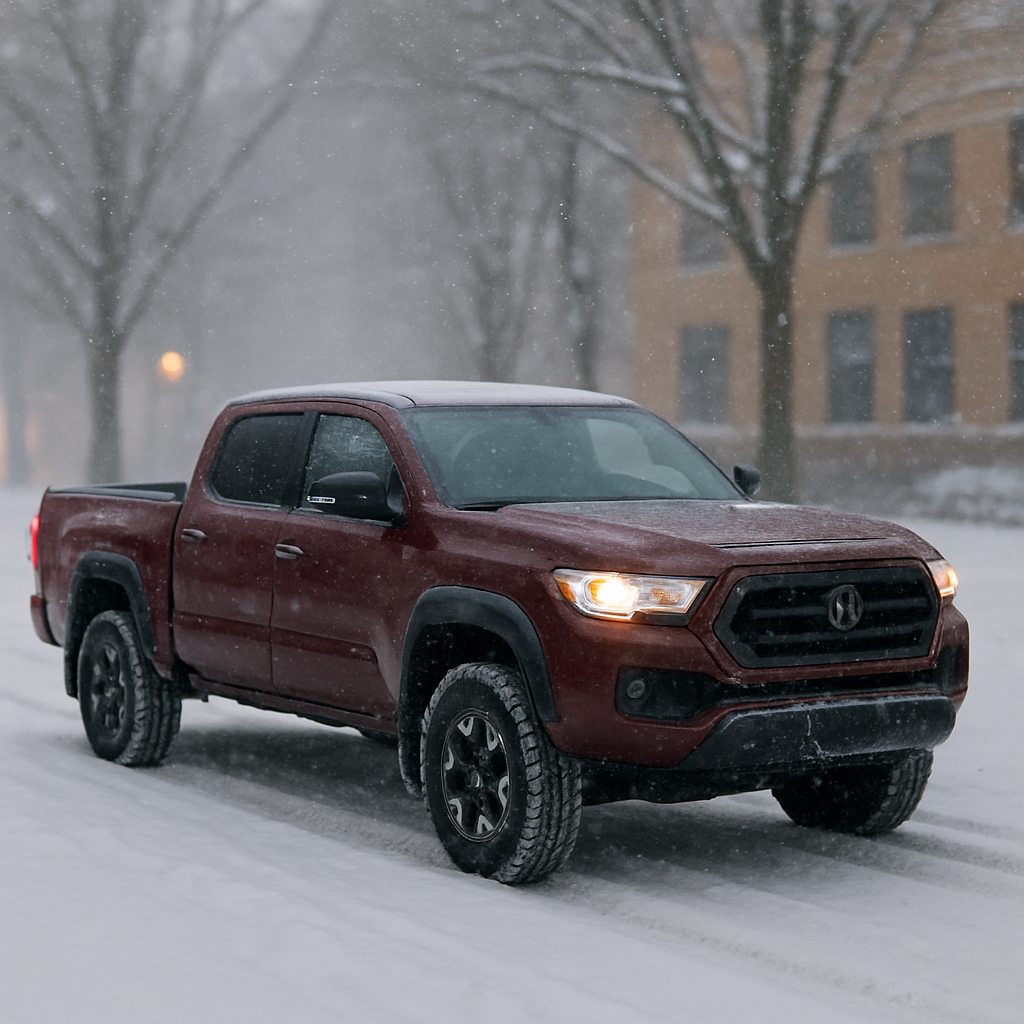
Wisconsin’s freeze-thaw cycles and road salt take a toll on the undercarriage, but the drivetrain problems described here are not weather-related. They show up on well-maintained vehicles in any climate. The rolling grades on roads heading west out of Madison toward Verona do put steady load on transmissions, which is one more reason to keep the fluid fresh.
How does Capitol Tire and Service confirm which problem you have?
Bert Fuller, owner and ASE Master Certified Technician, and the Capitol Tire team start with a scan for stored and pending codes, then a road test to reproduce the symptom. For suspected judder, the technician checks the transmission fluid condition and smell. For suspected carbon buildup, a borescope inspection of the intake ports confirms deposit thickness before recommending a cleaning. You get a clear explanation of what was found and what it costs to fix before any work begins.
Capitol Tire and Service is a NAPA Auto Care Center and ASE Certified shop at 5610 Odana Rd in Madison. Free shuttle service and loaner cars are available so you are not stuck waiting.
If your Honda or Acura is stumbling on acceleration or shuddering at highway speeds, also see our related posts on common check engine light causes and what burning oil looks like before it gets expensive. For transmission questions specifically, visit our transmission repair page. Drivers in nearby neighborhoods can also find us through our Nakoma Park and Greentree service pages.
Check whether your VIN has any open recalls at NHTSA’s recall lookup, and review your model’s maintenance schedule at the Honda Owners site.
Frequently Asked Questions
Can I keep driving my Honda if it shudders at low speed?
A low-speed shudder from torque-converter judder is not immediately dangerous, but it puts stress on the transmission over time. Get it diagnosed soon rather than waiting until the problem gets worse.
Will a transmission fluid change fix the shudder on my Honda?
A fluid service using the manufacturer-specified automatic transmission fluid is the first step and often resolves torque-converter judder. If the shudder returns within a few thousand miles, further diagnosis is needed.
How do I know if my Honda has carbon buildup or a transmission problem?
Carbon buildup causes a stumble or hesitation when you accelerate from a stop or at low RPM, especially when the engine is cold. Torque-converter judder feels like a vibration or shudder between roughly 25-50 mph when the converter is locking up. They feel different, but a technician can confirm which one you have.
Which Honda models are affected by these issues?
These issues are commonly reported on the Accord, CR-V, Odyssey, Pilot, Ridgeline, and the Acura TLX, MDX, RDX, and ILX equipped with the 2.4-liter direct-injection engine or the 6-speed automatic transmission.
Is walnut blasting covered under warranty?
Intake valve carbon cleaning is generally not covered under a standard warranty because it is considered a maintenance item. If your vehicle is still within its powertrain warranty period, contact your dealer and ask what remedies apply to your VIN.
Ready to get a straight answer? Call Capitol Tire and Service or book online. Bert Fuller, owner and ASE Master Certified Technician, and the Capitol Tire team will diagnose the stumble or shudder and tell you exactly what it takes to fix it.
(608) 271-9009 | Schedule your appointment online
Capitol Tire and Service • 5610 Odana Rd, Madison, WI • Monday-Friday 8am-6pm • Free shuttle and loaner cars available
Sources

Meet Bert, Capitol Tire and Service’s owner! With over 30 years in the automotive repair industry, his commitment to excellence has earned him an ASE Certification as a Certified Master Technician with a L1 (Advanced Engine Performance Specialist). In addition, he is Master ASE Engine Machinist Certified and ASE Under Car Specialist. He is a graduate of MATC auto tech program with an Associate Degree in Applied Science. He enjoys the daily challenge that the automobile delivers and the satisfaction of keeping them going. Bert likes to spend his weekends with his wife, Kelli, two daughters and his best buddy, Scout. They enjoy outdoor family activities such as: camping, boating, fishing and snowmobiling.